As of today, more than seven million people have survived strokes in the United States. Stroke survivors have been aided by medical advancements and the quick actions of those who know how to detect strokes and secure help.
What is a Stroke?
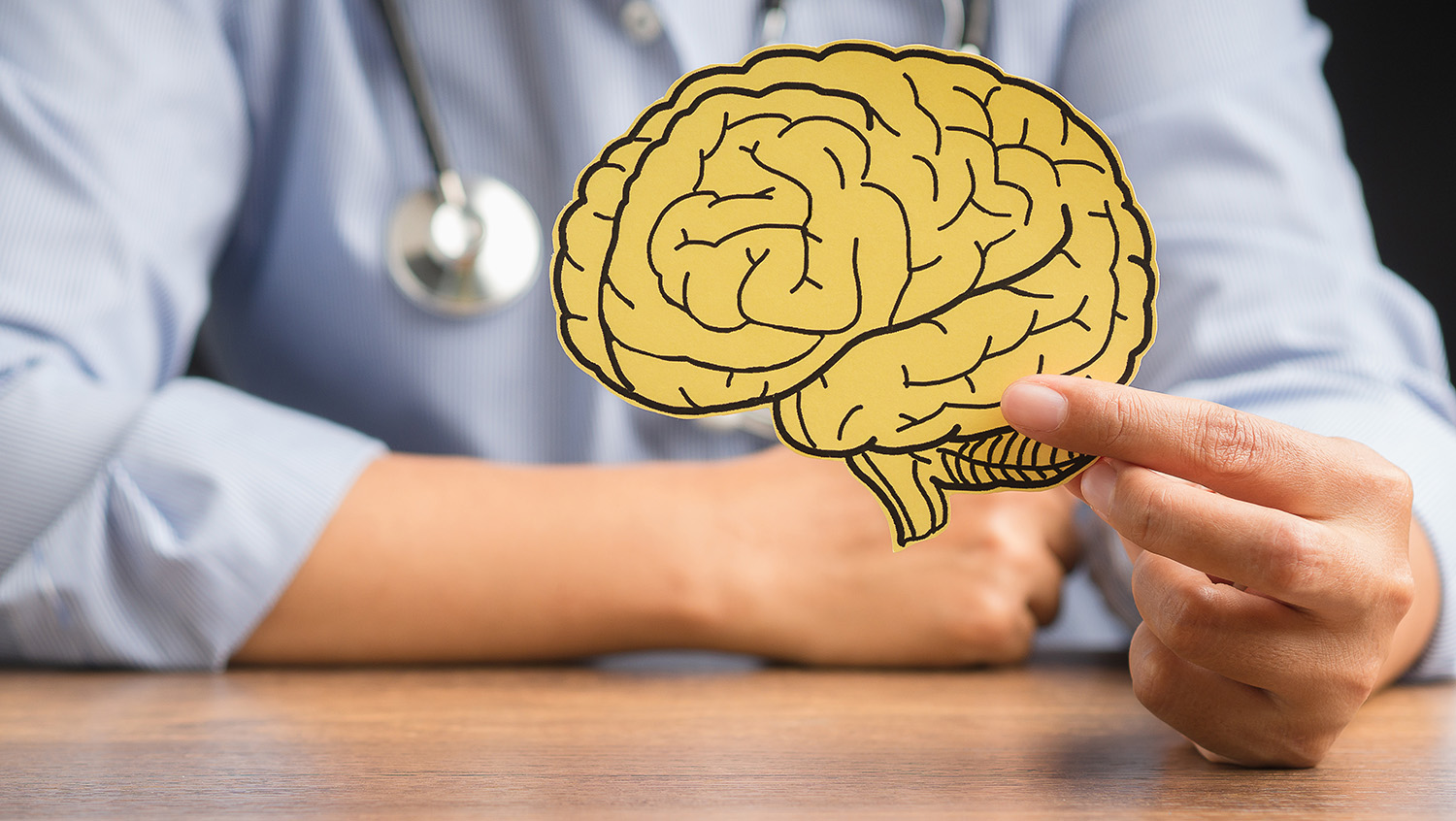
A stroke is essentially a brain attack – it occurs when an artery that carries nutrients and oxygen to the brain becomes blocked, bursts, or ruptures at which point the brain stops receiving the blood it needs, and brain cells begin to die. The brain is the powerhouse of the body, storing our memories, controlling all bodily functions necessary for survival, as well as our motor functions and speech. As such, survivors of strokes may be left with limited or no mobility and an inability to communicate. During a stroke, every moment counts.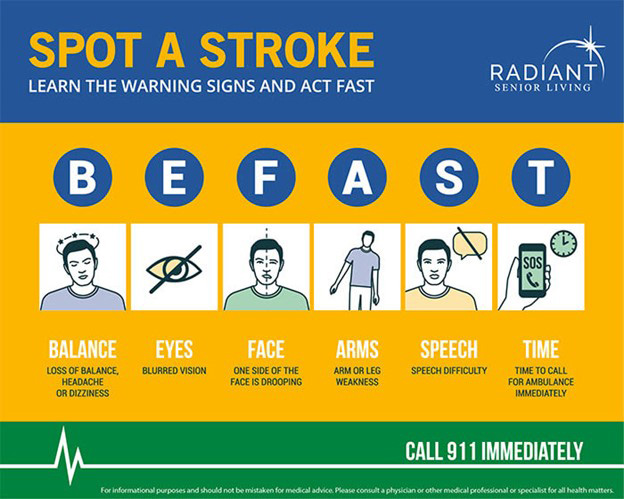
If a stroke is suspected, fast action is recommended, which is why “ B.E. F.A.S.T.” is the acronym for stroke detection and seeking help. B.E. F.A.S.T. stands for:
B: Balance. Is the person off balance? Are they experiencing headaches or dizziness?
E: Eyes. Are they experiencing blurred vision?
F: Face drooping. Does one side of the person’s face droop or is it numb? Ask the person to smile and note if their smile is uneven or lopsided.
A: Arm Weakness. Is one of their arms weak or experiencing numbness? As the person to lift one arm and note if it drifts downward.
S: Speech Difficulty. Is the person’s speech slurred or difficult to understand? Are they unable to speak? Ask the person to repeat a simple sentence like, “The grass is green.” Can the person do this?
T: Time to call 911.
If a person shows any of these symptoms – even if the symptoms go away – call 911 and tell the operator “I think this is a stroke,” to help the person get the immediate medical attention they need. Time is very important with strokes, so note when symptoms have occurred and let emergency responders know.
Mini-strokes, or transient ischemic attacks, can also occur, in which the brain’s blood supply is blocked for a short period and the brain temporarily malfunctions. Symptoms are sudden and include numbness, weakness or vision loss, difficulty speaking, confusion, severe headache with no known cause, and/or loss of balance or coordination. The symptoms last for a short period and then disappear. If a mini-stroke is suspected, a doctor should be seen immediately.
How Can I Prevent a Stroke?
While it’s true that anyone can have a stroke at any point in their lifetime, it’s important to note that 80% of strokes are preventable. You can take action to protect yourself, lowering your risk for stroke by:
- Manage your blood pressure. Elevated blood pressure, or hypertension, is a leading cause of stroke. You can manage your blood pressure through lifestyle changes or medication if you already have a hypertension diagnosis.
- Lower your cholesterol. You can lower your cholesterol through diet by limiting your intake of foods that are high in saturated fat (such as fatty meat and dairy) and eating foods low in saturated fat and high in fiber. Weight management and avoiding smoking also help prevent high cholesterol.
- Control diabetes. If you have a diabetes diagnosis or have a strong family history, speak with your doctor about ways to keep your diabetes under control or prevent it in the first place.
Note: Content on this blog is for informational purposes and should not be mistaken for medical advice. Please consult a physician or other medical professional or specialist for all health matters.
Frequently Asked Question
What are the early warning signs of a stroke?
Common signs include sudden numbness or weakness (especially on one side of the body), confusion, trouble speaking, vision problems, dizziness, or a severe headache. Use the B.E. F.A.S.T. method to quickly recognize symptoms.
What should I do if I think someone is having a stroke?
Call 911 immediately. Do not wait to see if symptoms go away. Note the time symptoms started and share that information with emergency responders.
What is a mini-stroke?
A mini-stroke, or transient ischemic attack (TIA), causes stroke-like symptoms that resolve quickly. Even though symptoms may disappear, it is a medical emergency and should be evaluated right away.
Who is most at risk for a stroke?
Risk increases with age, high blood pressure, high cholesterol, diabetes, smoking, and family history. However, strokes can happen to anyone.
Can strokes be prevented?
Many strokes are preventable through healthy lifestyle choices such as managing blood pressure, eating a balanced diet, staying active, avoiding smoking, and following your doctor’s guidance.