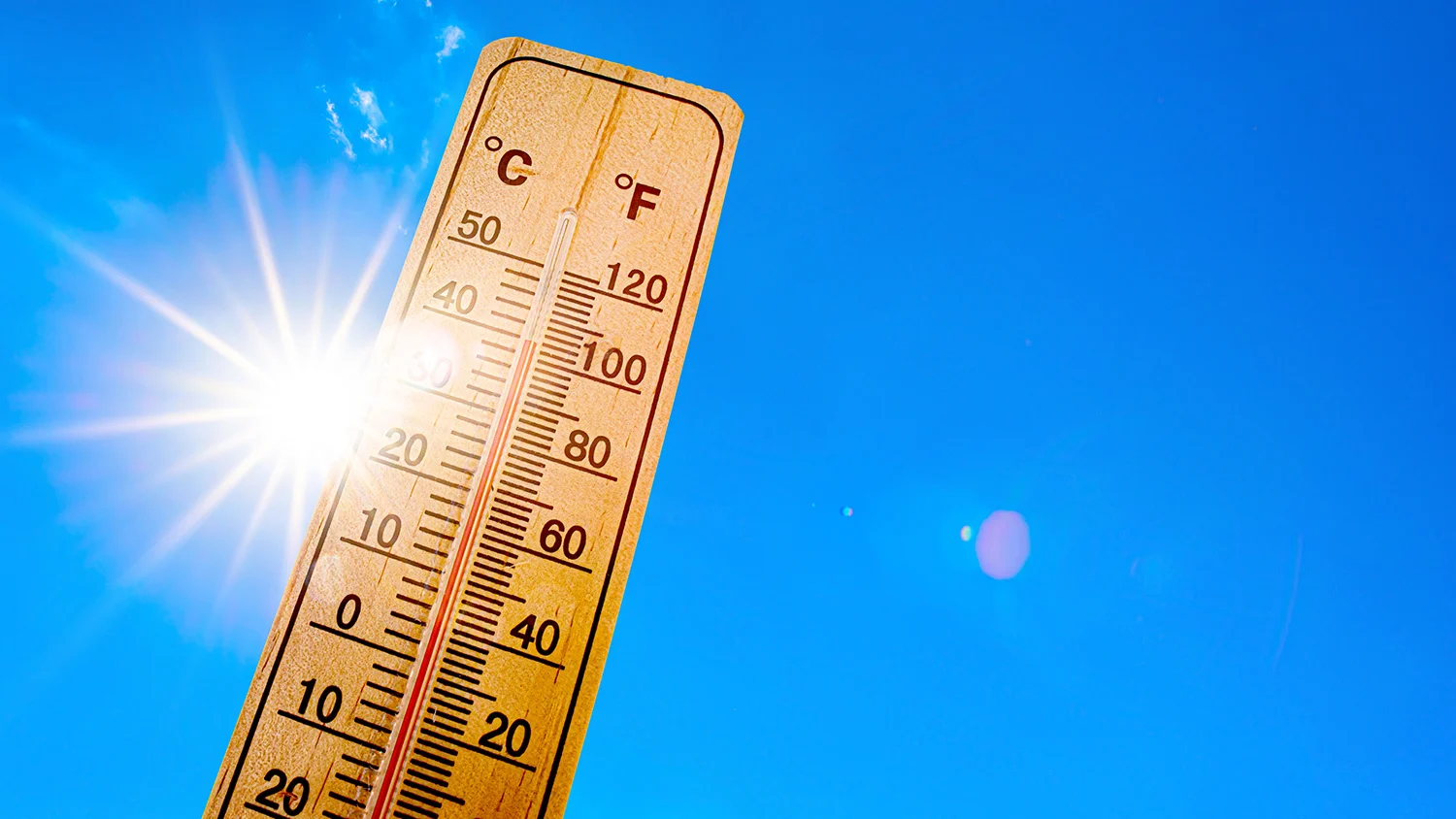
Someone turn the heat down! Along with summer fun comes the summer temperatures – with temperatures rising it’s important to take precautions to keep you and you’re your family safe from heatstroke and other heat-related illness.
Heatstroke happens when your body produces or absorbs more heat than it can dissipate. It’s most common in places with high temperatures and high humidity, such as cities in the summer or in your car on a hot day, but it can happen any time you exert yourself in hot weather or environments—like working out hard in an overheated gym—even if the temperature isn’t particularly hot outside.
Though a very serious illness, Heatstroke is both preventable and treatable. Learn about how to prevent Heatstroke to avoid poor outcomes, and ways to recognize heatstroke to aid in quick treatment.
What Are the Signs of Heatstroke?
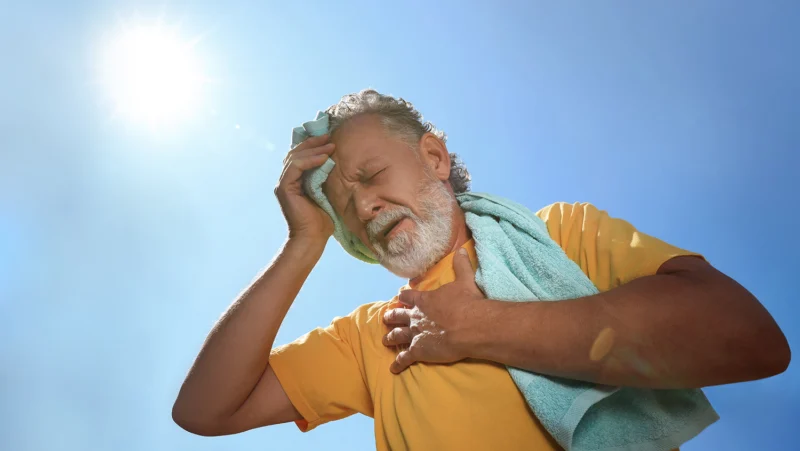 Heatstroke is the most severe type of heat illness, and it can be fatal if not treated quickly. Early detection can aid in more positive outcomes with this illness.
According to the CDC, symptoms of heatstroke include:
- Confusion, disorientation or agitation, slurred speech. These symptoms often set in before heatstroke and can serve as a red flag that something troubling is going on.
- Hot, dry skin or profuse sweating. While excessive sweat can be a sign that someone is overexerting themselves, no sweat could be indicative of severe dehydration.
- Seizures or loss of consciousness. These symptoms can be a sign that the body is experiencing cardiac or neurological distress.
- Extreme body temperature 105°F or higher. Temperatures this high pose a risk to internal organs, particularly the heart, lungs, and brain.
- Fatality is possible if not treated immediately.
Who is Most at Risk for Heatstroke or Heat-Related Illness?
While heatstroke is a risk for anyone exposed to hot environments for an extended period, such as those who work outdoors like landscapers and construction workers, some people’s risk may be elevated due to factors such as:
- Infants and young children, as well as people over the age of 65 are at an increased risk of heatstroke.
- Those who are overweight are at increased risk – being overweight makes it difficult for your body to regulate temperature, as well as being more at risk for dehydration.
- Certain medications can cause increased sensitivity to the sun & heat, or cause dehydration. Check with your doctor to learn if you are on any medications that have these effects.
- Some illnesses, such as cardiac or pulmonary disease, can make you more susceptible to heat-related illness.
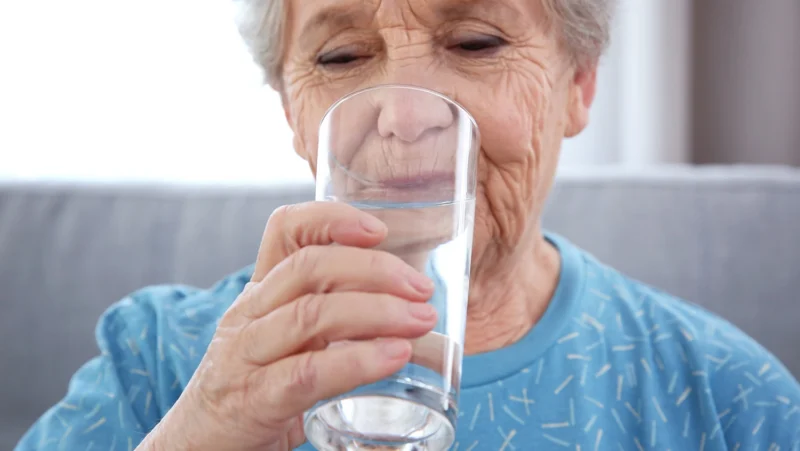 Heat Stroke Treatment and Prevention
If you suspect someone is experiencing heatstroke, the first thing you want to do is call 911. After emergency services are alerted, you will want to take immediate, life-saving action. The goal of treating heatstroke is to rapidly cool the body to mitigate damage to organs, particularly the brain, lungs, and heart. This is what you should do while waiting for emergency services to arrive:
- Immediately move the affected person out of the heat and direct sun.
- Cool the body by any means possible – ice-water baths, cold shower, or even using evaporation to cool the person by spraying them cold water and directing a fan them are effective ways of rapidly lowering body heat.
- If the person loses consciousness, immediately begin CPR and continue until help arrives.
Even when not fatal, heatstroke can have a lasting effect on the body. Prevention is always best. When temperatures are excessive, or you plan on spending long periods in the heat,
It’s important to stay hydrated, dress for cooler weather, take frequent breaks in activity, and even consider moving your activities indoors where you have greater control over temperatures.
Frequently Asked Questions About Heatstroke
How is heatstroke different from heat exhaustion?
Heat exhaustion is a less severe heat-related illness that can progress to heatstroke if left untreated. Heatstroke is a medical emergency and often includes confusion, loss of consciousness, or a body temperature of 105°F or higher.
What should I do if someone has signs of heatstroke?
Call 911 immediately. Move the person to a cool place, begin cooling them with cold water or ice if available, and stay with them until emergency responders arrive.
Who is most at risk for heatstroke?
Older adults, young children, people with chronic medical conditions, individuals taking certain medications, and anyone spending extended time in hot environments are at higher risk.
How can I prevent heat-related illness?
Drink plenty of water, wear lightweight clothing, avoid strenuous activity during the hottest parts of the day, take frequent breaks in the shade or air conditioning, and never leave people or pets in a parked vehicle.