
Note: Content on this blog is for informational purposes and should not be mistaken for medical advice. Please consult a physician or other medical professional or specialist for all health matters.
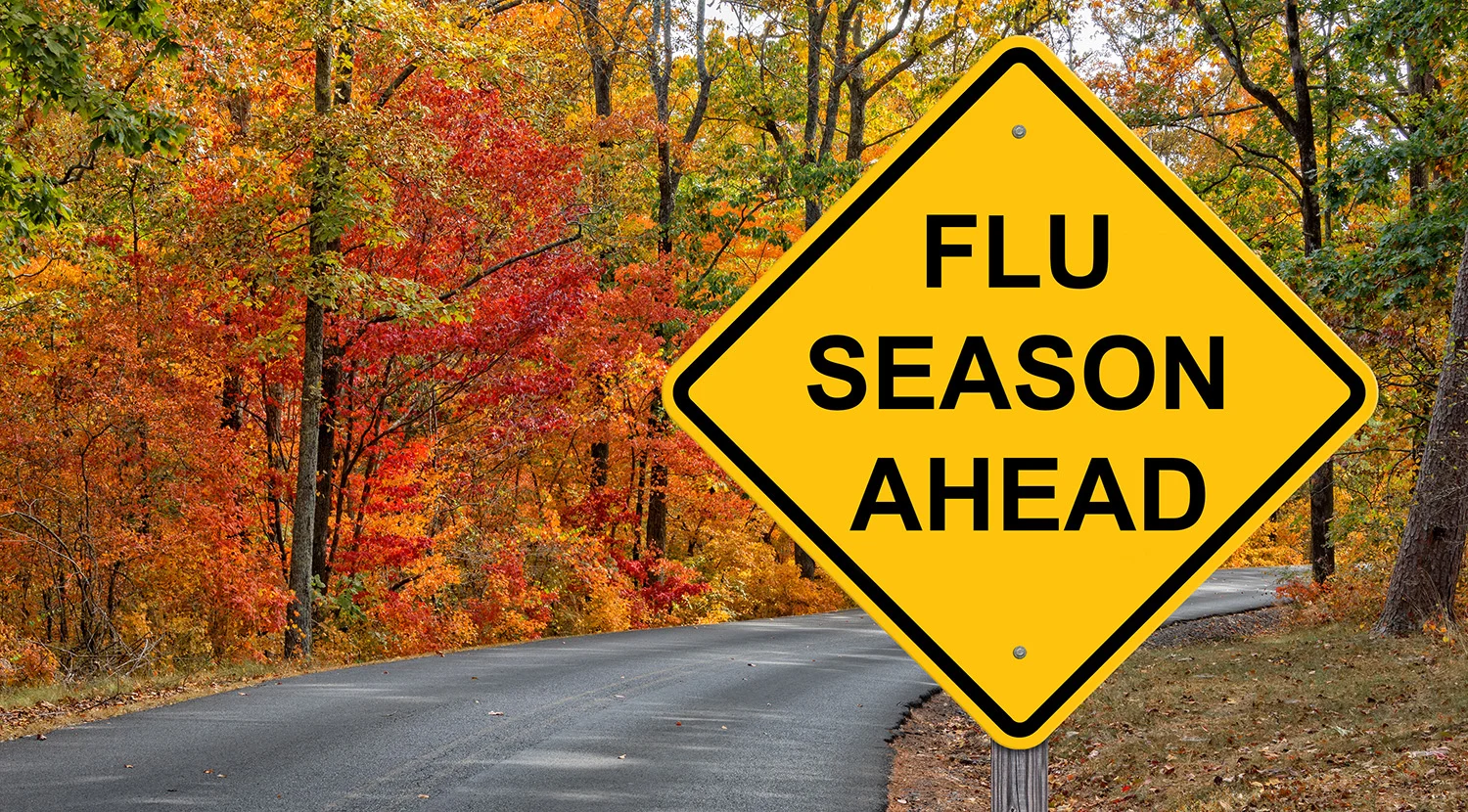
October is a month chock-full of fall traditions – crunching dry leaves beneath your feet, watching spooky movies, and pumpkin spice everything. October also heralds the beginning of flu season in the United States, a timeframe that generally runs from October through the end of March, peaking in February.
October is the perfect time to get your flu vaccination and protect not only yourself but your loved ones and those around you who are more susceptible to complications from the flu.
Here are five reasons why you should consider getting the flu vaccine this year:
-
The Vaccine Protects You from Illness
Flu-related signs and symptoms such as fever, coughing, and body aches are unpleasant, can be disruptive to your life, and potentially deadly. Depending on the severity of the illness, the flu can cause even a healthy person to need to stay home from work, school, and errands for a few days, and possibly a week or more; in those less fortunate, it can also lead to hospitalization or death. The flu vaccine can mitigate this risk by up to 60%, depending on what strains are in circulation.
If you still get the flu after you’ve received your vaccine, don’t be dismayed – it’s likely that your symptoms will be milder and more tolerable than if you didn’t get vaccinated.
-
It Protects Those Around You from Exposure
The flu vaccine’s protection doesn’t stop with the recipient – it can also help prevent the spread of the flu to others who are unable to get vaccinated. While it is recommended that everyone aged 6 months and older get vaccinated against the flu each season, some people cannot, including:
- children under the age of six months
- anyone with severe and possibly deadly allergies to the flu vaccine or any of its ingredients
The best way to prevent spreading illness to others is to protect yourself from getting sick in the first place. In the event that you do still get the flu, the CDC recommends that you stay at home for at least 24 hours after your fever has dropped unless seeking medical treatment. When you’re sick, try not to go to work, school, or run errands. By staying home, you’ll help avoid the transmission of your illness to others.

-
It works!
Flu vaccination has been shown to reduce the need to see a doctor for flu symptoms by 40% to 60% during seasons where respiratory viruses are at their height. A 2021 study found that among people hospitalized with flu, vaccinated patients had a 26% lower risk of ICU admission and a 31% lower risk of mortality from flu than unvaccinated individuals.
Although it is not effective against every strain of the flu, the flu vaccine frequently protects against the most common strains. Getting your annual vaccine significantly reduces your chances of getting the flu.
-
It Keeps Hospital Beds Open
Over the last several of years, our nation’s healthcare workers have been stretched thin – hospitals have been operating at maximum capacity, and many people in the healthcare field experienced burnout.
By getting your flu vaccination, you greatly decrease your likelihood of requiring hospitalization, not only benefiting you and your own health but also relieving the burden on an already taxed system. Being healthy is an excellent way to support our healthcare workers as they focus on those who need their help the most.
-
It’s Easy
It’s easier now than ever before to get your flu vaccine. They are available in most doctor’s offices and pharmacies, including grocery store pharmacies and Walgreens.
For those who are nervous about getting the jab, there is now a nasal spray option that will save you from that sore arm later. There are some restrictions as to whom should get the spray vs the shot, so we recommend consulting with your doctor to help you choose the method that is right for you.
Other things to keep in mind this season:
As we spend more time indoors, Fall and Winter bring a rise in other respiratory illnesses, including Covid-19. It may be beneficial to get your Covid booster along with your flu shot for additional protection from illness.
Cold and flu viruses are spread through droplets of infected body fluids (mucous from the nose and mouth). Proper hand hygiene is one of the best ways to prevent the spread of illness. If you want to perfect your hand hygiene routine, we recommend following these guidelines provided by the CDC:
- When to wash your hands: At each stage of food preparation – before, during, and after; before and after eating; after using the toilet; after handling diapers or assisting with another person’s toileting routine; after touching animals or animal waste; after touching garbage; after blowing your nose, sneezing, or coughing.
- When cleaning your hands with soap and water, soak them first, then apply the amount of product advised by the manufacturer to your hands and aggressively massage them together for a minimum of 20 seconds, covering the entirety of the hands and fingers. Rinse hands well with clean water and dry your hands with a clean towel.
- When using hand sanitizer, apply the product on one hand’s palm (read the label to learn the correct amount) and make a fist with your hands. Rub the gel all over your hands and fingers until they are completely dry. This should just take around 20 seconds.
The flu and other respiratory illnesses can disturb your life and throw a wrench in your plans. We hope that you found this post informative and will consider getting your flu vaccination to help protect yourself and your loved ones from illness this flu season.