
“Pain is inevitable, suffering is optional.” —Buddhist Proverb
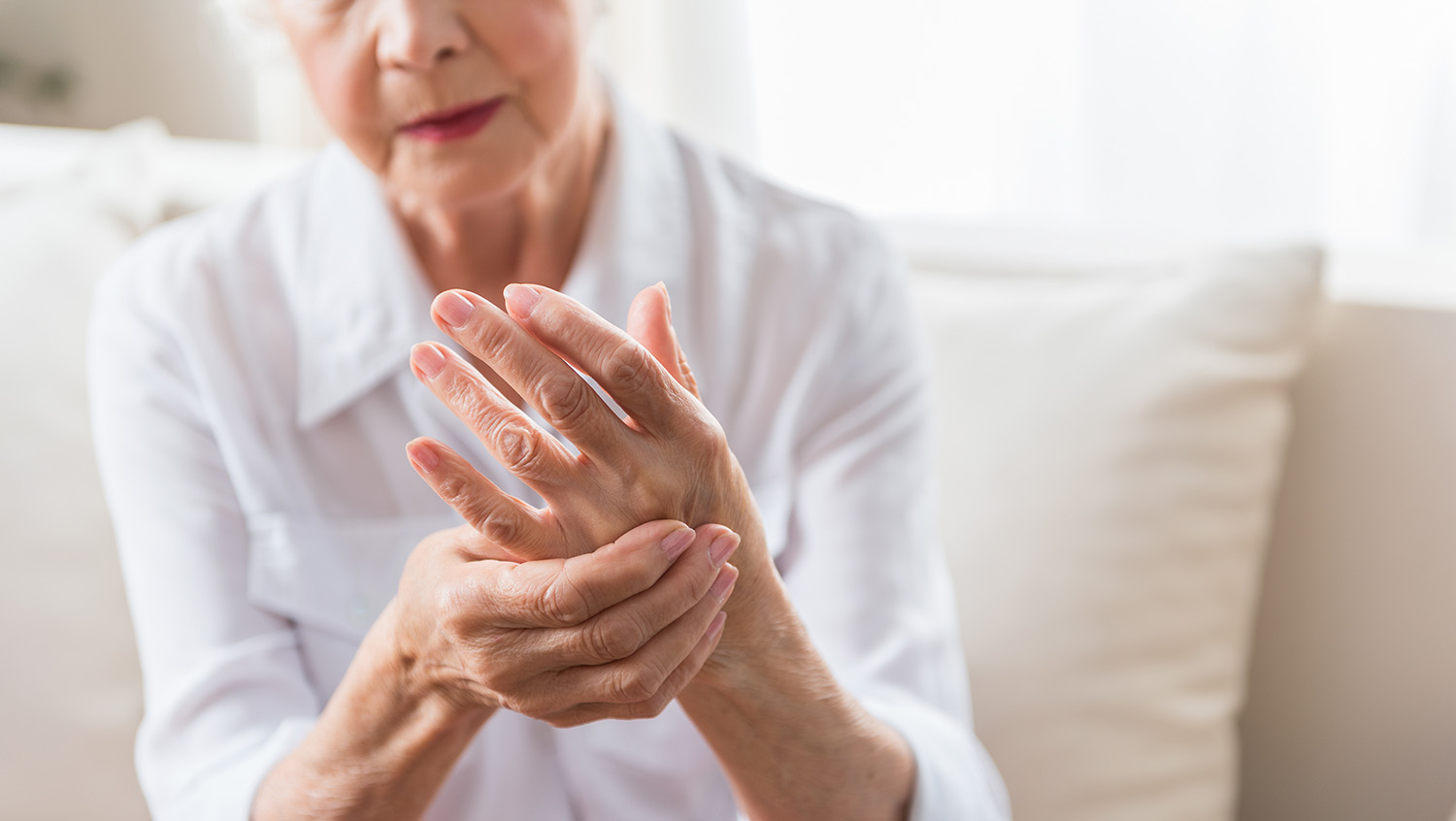
While pain is a fact of life, for some it is a more than an occasional occurrence. One in five adults in America experiences chronic pain. Chronic pain is one of the most common reasons adults seek medical care and it can last for months, years, and possibly for life. There are many reasons a person may experience pain including injury, illness, birth defect, and bodily wear and tear over time. While there is still a lot to learn about what causes chronic pain, one thing is for certain – it disrupts the lives of those who experience it.
Chronic pain can be life altering. However, in many cases, it can also be managed.
Note: Content on this blog is for informational purposes and should not be mistaken for medical advice. Please consult a physician or other medical professional or specialist for all health matters.
The ways pain can affect your life
Pain is your body’s way of communicating that something is wrong. It’s a signal sent by your brain and nervous system – alerting you to stop what you’re doing and protect your body from harm. But what do you do when pain is persistent – when all movement causes pain, or if you hurt while resting?
When pain is constant, it wears down more than just your body. Instances of depression and anxiety are higher in those who experience chronic pain, as is the reliance on opioids and self-medication through drugs and alcohol. Those who suffer from high-impact chronic pain report that along with activity restrictions, such as an inability to work, attend school, or maintain their home, they also experience cognitive impairment – often referred to as “brain fog.” Brain fog can leave you feeling confused, forgetful, and unable to concentrate on tasks or conversations.
Pain is limiting and frustrating, but there are ways to alleviate and work through your pain so that you can lead a fulfilling life.

Three tips to combat pain
Pain is personal, and everyone experiences it differently, making diagnosis and treatment difficult. However, there are several ways to combat pain, and find relief. Here are a few ways pain can be managed without or in conjunction with the use pf pharmaceuticals:
- Regular exercise, particularly activities that are designed to improve flexibility and muscle tone (think yoga, Pilates, swimming) can be therapeutic and help you manage and even prevent pain. We suggest working with your medical provider to outline an appropriate exercise plan that meets your needs
- In the same spirit as exercise, physical therapy is an excellent way to manage pain by treating it at its source. Maintaining your physical therapy exercises, even after your visits are over, can also help prevent future injury and pain to compromised joints and ligaments.
- Cognitive Behavioral Therapy, or CBT, is a form of psychotherapy that has been shown to be an effective way to manage pain and associated emotions through exercising mindfulness, ultimately improving quality of life.
Pain management for seniors
As we age, our bodies become more susceptible to experiencing pain and injury. Additionally, those who experience cognitive impairment in the form of Alzheimer’s and other related dementias may find that pain management is complicated due to the difficulty they might experience in verbalizing the location and severity of pain.
It’s important to know that you and your loved ones don’t have to handle this alone. It may be time to begin a conversation about senior living options, where onsite staff and nurses are specialized in caring for the needs of seniors.
At Radiant Senior Living communities, our approach to care focuses on the individual needs of each resident, meeting them where they are. We incorporate the latest advances in building design and care philosophies in order to minimize the impact of our residents’ symptoms, enabling them to live comfortably and securely.
As with any medical topic, we suggest that your journey to health begins with an open conversation with your medical provider. Don’t be discouraged if it takes a while to find the answers you’re looking for – health is a journey after all.
Frequently Asked Questions about Chronic Pain and Management
1. What is chronic pain?
Chronic pain is pain that lasts for three months or longer, often continuing after an injury heals or without a clear cause. It can range from mild to severe and can interfere with daily tasks, sleep, and overall quality of life.
2. What causes chronic pain?
There are many possible causes, including injury, illness, nerve damage, arthritis, and natural wear and tear of the body over time. In some cases, the exact cause may not be known.
3. How can chronic pain affect mental health?
Living with long-term pain can lead to frustration, anxiety, or depression. It can also cause cognitive effects like difficulty focusing or “brain fog.” Managing pain effectively often improves both physical and emotional well-being.
4. What are some non-pharmaceutical ways to manage pain?
Options may include exercise (such as yoga, swimming, or Pilates), physical therapy, and Cognitive Behavioral Therapy (CBT). These approaches can help improve flexibility, strength, and coping skills. Always consult your doctor before beginning new treatments.
5. How is pain management different for seniors?
Older adults may be more prone to pain from conditions like arthritis or past injuries. For those with memory loss or dementia, expressing pain can be challenging, which makes compassionate observation and personalized care essential.
6. When should I consider senior living for pain support?
If managing pain at home becomes difficult or safety is a concern, senior living communities can provide professional, individualized care. Radiant Senior Living communities offer trained staff and nurses who support residents in living as comfortably and independently as possible.
7. Why is working with a healthcare provider important?
Every person’s pain experience is unique. Consulting with a healthcare provider helps identify the cause and create a treatment plan that fits your needs, combining medical care, therapy, and lifestyle strategies safely.