Just saying the word “stress” is stressful! The emotional or physical tension of stress can take a toll on a person. Fortunately, there are many ways to approach stress for both seniors and caregivers, as well as plenty of self-care tips to aid in minimizing and handling stress.
It is important to note that sometimes self-care alone is not the answer to the effects of stress on the mind or body. The following tips are self-care suggestions that may help with stress in the short-term. However, if you are experiencing signs of stress that are impacting your health or ability to function day-to-day, please seek help from a medical professional.
What Causes Stress?
Changes that may occur in golden years of life can serve as stressors. Even the most positive of changes involving family, friends, living situation, transportation, or health can be challenging to the mind and body and lead to a need for improved self-care.
Caregivers, too, have their own unique stressors. Experiencing emotions associated with health issues of those in their care and dealing with differences between idealized expectations and what can be realistically done, are just two hurdles they may face.
What are symptoms of stress?
Stress symptoms for seniors may take many forms, including tension headaches; back pain; stomach pain and indigestion; heart palpitations; poor ability to concentrate; indecisiveness; crying; irritability; insomnia; and edginess in mood. Many stressors can be helped with solutions per situation, such as modifying one’s home to assist with physical challenges or using Cognitive Behavioral Therapy to help in replacing negative thoughts with positive ones. There are also general solutions that will typically help relieve stress.
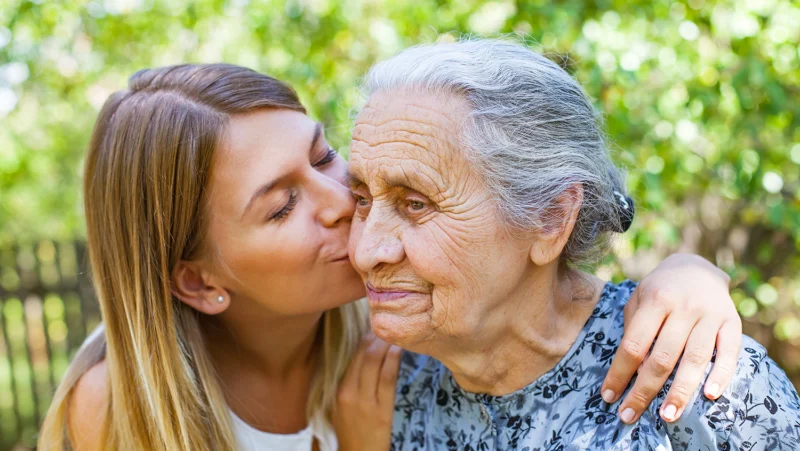 Self-Care Tips to Combat Stress for Seniors and Caregivers
The first, and most important, step to addressing stress; for both the senior and caregiver is to accept the need for relaxation and self-care. Make a pledge to yourself that YOU matter, and that YOU will take the time you need for YOU to be happy. Other self-care tips for caregivers and seniors that can make a positive difference quickly include:
General Stress Solutions
- Physical Activity can greatly improve physical health and mental health.
- Join a support group to engage with others who may be sharing your struggles.
- Consider adopting a pet, which can lower stress levels.
- Seek out programs that focus on mind and body, such as chair yoga, Tai Chi, art, or gardening.
- Seek relief as soon as you know you are facing stress so you can free yourself from worry.
- Practice deep breathing daily for relaxation.
Self-Care Tips for Home Caregivers to Deal with Stress
Being a home caregiver is one of the most rewarding jobs a person can take on, but it can be stressful, and sometimes that associated stress is not acknowledged or identified. Signs of stress include feeling overwhelmed, worried or exhausted; weakened immunity; too much or not enough sleep; feeling depressed; lacking concentration; gaining or losing weight; becoming irritated or angered easily; losing interest in previously-enjoyed activities; having frequent headaches or bodily pain; and/or abusing alcohol or drugs, including prescription medications. There are solutions that can help.
Ways to Manage Caregiver Stress:
- Commit to lightening your load and accepting help from others.
- Realize you are doing the best you can and let go of guilt.
- Make realistic goals, and don’t overextend yourself.
- Practice saying, “no,” when necessary.
- Connect with caregivers in your area and share resources.
- Journal your emotions, and what is working and what isn’t. It may be cathartic and bring clarity.
- Prioritize your health. Give yourself regular “me-time” to eat, sleep, relax, have fun—and breathe.
 Respite Care May Help Alleviate Stress
There are times when being a home caregiver can get in the way of the overall quality of life for both the caregiver and the person for whom they are caring. In those times, it may be beneficial to both parties to consider respite care at a local assisted living or memory care. Respite care is a short-term care solution for seniors, designed to give home caregivers support and peace-of-mind. Loved ones complete an assessment and live for a short time in a care community where their needs are taken care of and engagement is easy to come by. Caregivers can take that time to complete necessary tasks, take trips, or simply take time to care for themselves.
What have you discovered is your favorite or most effective way to help deal with your stress? We encourage you to continue this conversation about stress by sharing on social media!