

Every day, caregivers make a difference in the lives of patients, residents, and their families by providing important services and support. They accomplish this by consistently approaching their work with care and compassion.
Today, we recognize both professional caregivers who serve our communities and informal caregivers who step in when needed, such as family members caring for a loved one at home. We appreciate you for making a difference in the lives of so many people today and every day.
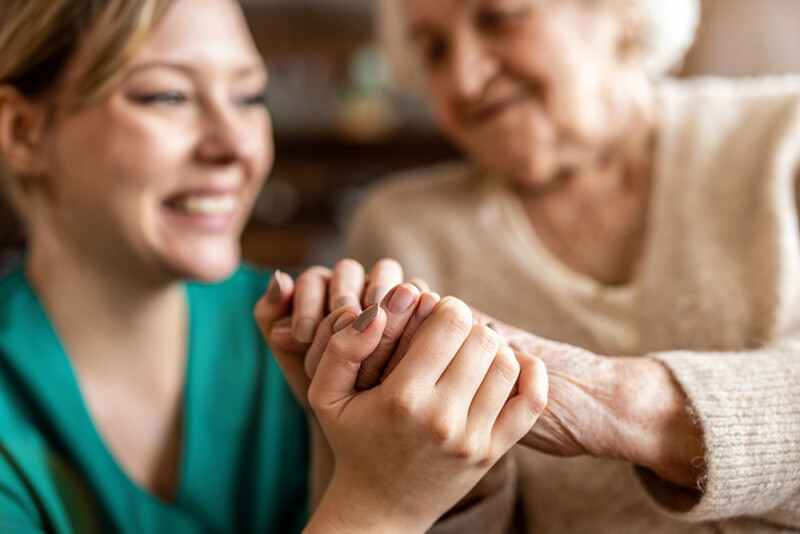
Honoring Professional Caregivers
Professional caregivers devote their professional lives to assisting others. They frequently treat their patients and residents as if they were members of their own families.
Here are a few ideas on how to honor professional caregivers:
- Write a review! Sharing your appreciation in a public forum will not only benefit those you want to thank by giving them much-deserved kudos but will also help others find a great care team when they are in need.
- Send a thank-you card. Handwritten thank-you cards are always appreciated.
- Come and participate. Come join in the activities and see your loved one as much as you can. Your engagement will raise the caregiver’s awareness of the motives behind what they do on a daily basis.
Challenges Faced by Family Caregivers
A family caregiver, often known as an informal caregiver, is someone who assists a loved one with everyday living duties or medical needs. The National Alliance for Caring and AARP have conducted surveys throughout the years to gather information regarding unpaid caring and its challenges. Among these facts are the following:
- In the US, one in every five adults provides unpaid care to an adult family member.
- Nearly 75% of caregivers are women.
- Three out of every ten people who care for adults over the age of 50 do so entirely on their own and without support.
- Per the National Alliance for caregiving, 23% of Americans say that caregiving has harmed their health.
- Nearly 40% of adult caregivers (50+) consider the situation is highly demanding emotionally, while another 28% believe it is just moderately hard emotionally.
- 61% of caregivers do so while still working their own job.
- Caregivers’ financial stability is affected by caregiving; 42 percent of persons over the age of fifty reported a financial impact from their employment as a caregiver, and 31 percent indicated two or more financial implications.
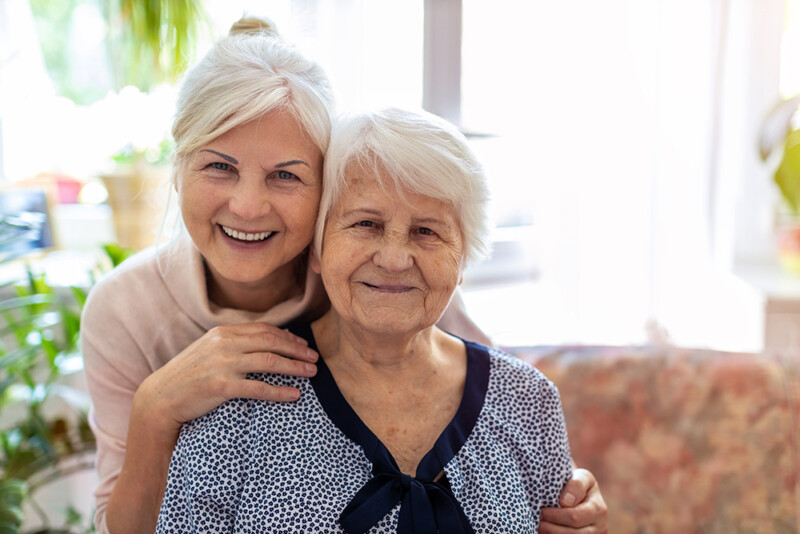
Honor Family and Caregivers
- Help out! Whether it’s assisting with the care of a loved one, doing the grocery shopping, cleaning the house, or contributing to the expense of a respite stay at a local senior living facility, it is sometimes unasked for but always very appreciated. It’s sometimes best to ask, “Would you rather I help you by doing A or B?” rather than, “Do you need help?”
- Support a cause that is meaningful to them. A caregiver may not require everyday assistance, but they may appreciate your support for a cause they are passionate about. Some of the ailments that afflict seniors are Parkinson’s, Alzheimer’s, diabetes, cancer, and others. Donate in their honor or in memory of a loved one. We chose to assist the Alzheimer’s Association since 11 million Americans already provide unpaid care for people with Alzheimer’s or other dementias.
- Provide a service. A home caregiver will appreciate it if you provide shopping, meals, cleaning, spa, or respite care.
- Commend their efforts. The effort of providing for another person can occasionally be a thankless task. Express a brief thank you and a particular thing you saw to folks in your life to acknowledge their work and a job well done. Chocolate or flowers are always welcome gifts!
Tips for Stress Relief for Caregivers
A caregiver’s first job is to ensure everyone’s well-being, safety, and health. They usually disregard their own needs, though. However, by following these guidelines, families may have less worry, less financial hardship, and more positive outcomes.
- Communicate: Maintain open lines of communication with family members about your expectations, feelings, and efforts to settle any problems as they arise to reduce stress for everyone.
- Take Care of Yourself: When your time is carefully split between taking care of the needs of every member of your family, it is easy to overlook self-care. Eat healthily, participate in fun activities, get enough of rest, laugh a lot, and never be afraid to ask for help when you need it
- Supplement Care: – Consider providing your parents with part-time in-home elder care. Even a few hours of outside assistance may make a significant difference.
- Seek support: When other options are no longer an option, consider using support groups, assisted living facilities, and professional counseling services. Respite care is another excellent option for caregivers who need a break to rest and heal.
Caregivers tackle challenging tasks every day, and we want to praise and appreciate them for what they do. We are thankful to everyone who offers high-quality, compassionate care to their patients and residents. We at Radiant Senior Living are grateful for our own amazing team of caregivers, and look forward to continuing to celebrate them.
Let is know how you celebrate the caregivers in your life on our Facebook Page!