
As adults we spend time and money protecting ourselves from undesirable outcomes. We have health insurance in case we get sick, wear seatbelts to prevent possible injury, and set up beneficiaries for our life insurance. In the same vein, think of Advance Directives as a type of insurance for your wishes regarding your health care decisions.
Chances are, if you’re healthy and independent, you likely haven’t put much thought into end-of-life planning. It’s a topic that can be deeply emotional and may be uncomfortable to discuss with your loved ones. The good news is, that while the world is unpredictable, you can make decisions now that will help your loved ones down the line. Having a written plan in place before a crisis will take the burden of decision-making off your loved ones, providing them and yourself with peace of mind.
What is an Advance Directive?
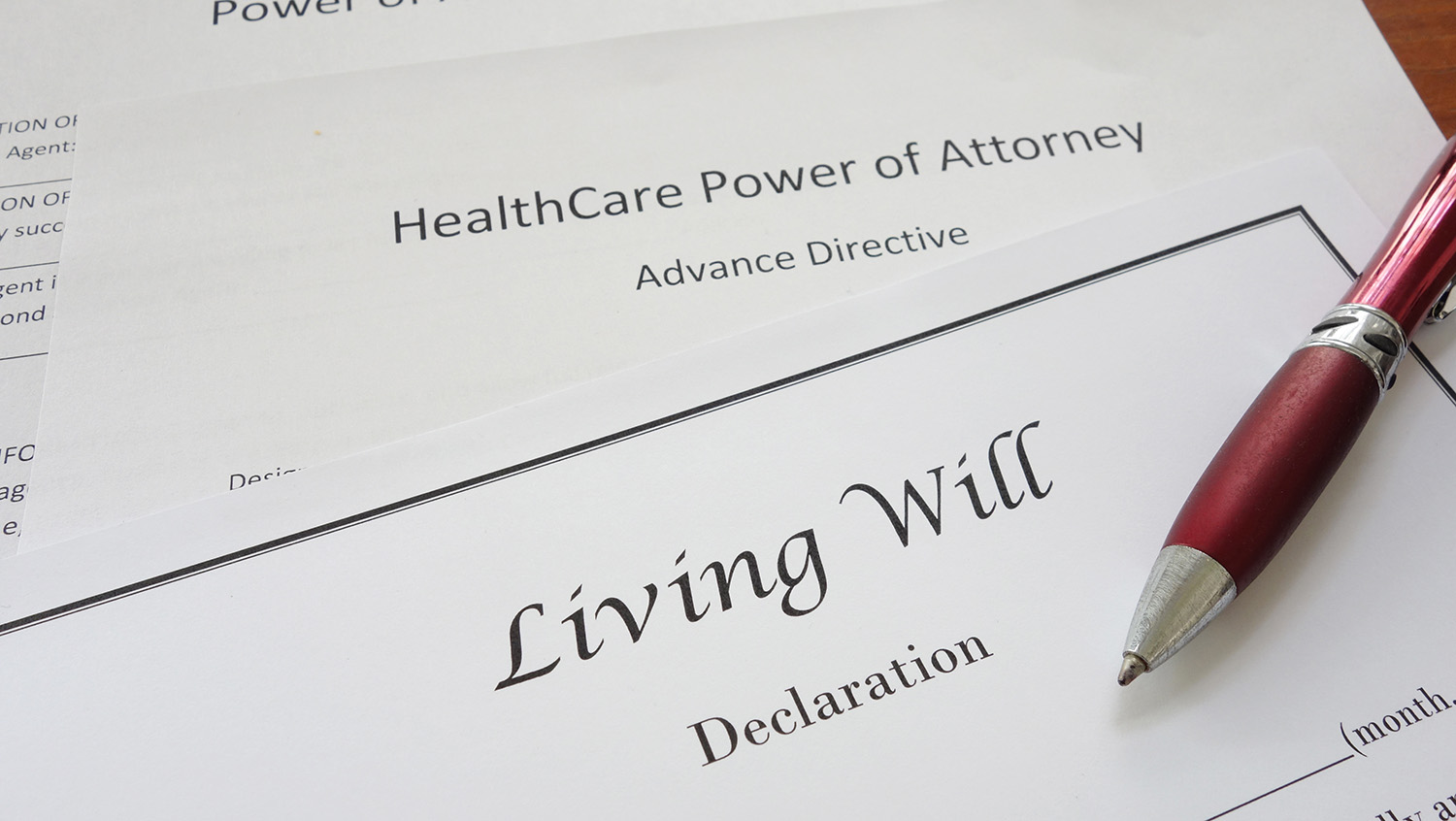
An advance directive is a legal document that details your wishes regarding your medical care and treatment should you become incapacitated by illness or injury, or become unable to make your own decisions. There are two main types of Advance Directive: “Durable Power of Attorney for Healthcare” or “Living Wills.”
- Durable Power of Attorney for Healthcare – This is a notarized document that gives an agent or representative of your choosing the authority to make important decisions regarding your healthcare. Unlike a Living Will, the signer doesn’t need to have a terminal illness for this document to be written and upheld. It’s important that you discuss your wishes in detail with your designated agent to ensure that your wishes and instructions are upheld.
- Living Will – This is a notarized directive written with the intent of instructing your medical provider of your wishes regarding possible life-saving interventions, such as resuscitation, life support, or palliative care. Unlike power of attorney, a living will does not allow interpretation by family members or a personal agent and will be upheld only by your healthcare provider. You must be as detailed as possible with your wishes to ensure that you’re your decisions regarding life-saving interventions are respected.
How to Draft an Advance Directive
Advance Directives are not one-size-fits-all; what works in one state may not be upheld in another. It’s important to note that if you spend a significant amount of time in multiple states, you may want to have advanced directives drafted for each one. Caringinfo.com, a program provided by the National Hospice and Palliative Care Organization, has compiled free downloadable PDFs of each US State’s specific Advance Directive form along with simple-to-follow instructions to make drafting your advance directive as simple as possible.
Talk About it With Your Family
Whether or not you decide to give your loved ones power of attorney, it’s still a good idea to communicate your end-of-life plan with those who are most important to you. You may also wish to keep your medical provider updated with any changes to your plans, to ensure that the information they have is up to date.
Once you have drafted your advance directive and have had it signed by a notary public, be sure to distribute copies to your medical proxy, or doctor, and keep a copy accessible in your home where your loved ones can access it if needed. There are also digital options for storing your advance directive, so it’s accessible anywhere, anytime.
Advance Directive FAQ
Do I need an advance directive if I’m healthy?
Yes. Advance directives are not just for those with current health concerns. Having one in place ensures your wishes are known in case of an unexpected illness or accident.
Who should I choose as my healthcare agent?
Choose someone you trust who understands your values and is willing to advocate for your wishes. It’s important to have an open and honest conversation with them ahead of time.
Can I change my advance directive later?
Absolutely. Your preferences may change over time, and you can update your advance directive whenever needed. Be sure to share updated copies with your healthcare provider and loved ones.
Is an advance directive legally binding?
Yes, when properly completed according to your state’s requirements, it is a legal document that healthcare providers must follow.
Where should I keep my advance directive?
Keep a copy in an accessible place at home, and provide copies to your healthcare agent, family members, and medical provider. You may also consider a secure digital storage option.