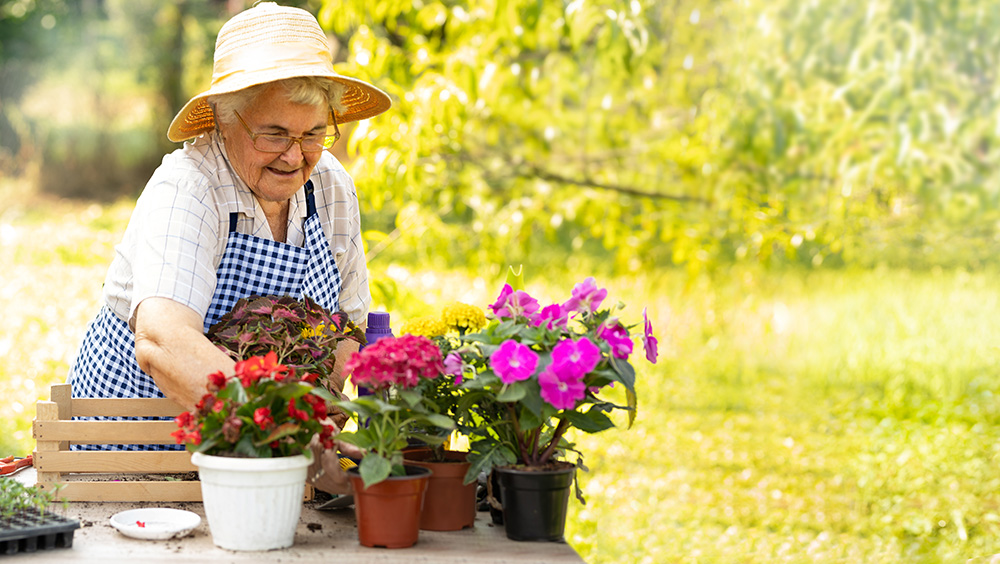
“The glory of gardening: hands in the dirt, head in the sun, heart with nature. To nurture a garden is to feed not just the body, but the soul.” – Alfred Austin, Poet
Gardens are magical. The garden has been a focal point of society for as long as we can remember – it’s a gathering place for friends and family, and a source of food for the community around us. Each bulb and seed planted provides a mystery waiting to be unveiled.
Gardening provides many benefits to the gardener – physically, mentally, and emotionally. Here are a few of the positive ways that gardening can impact our lives: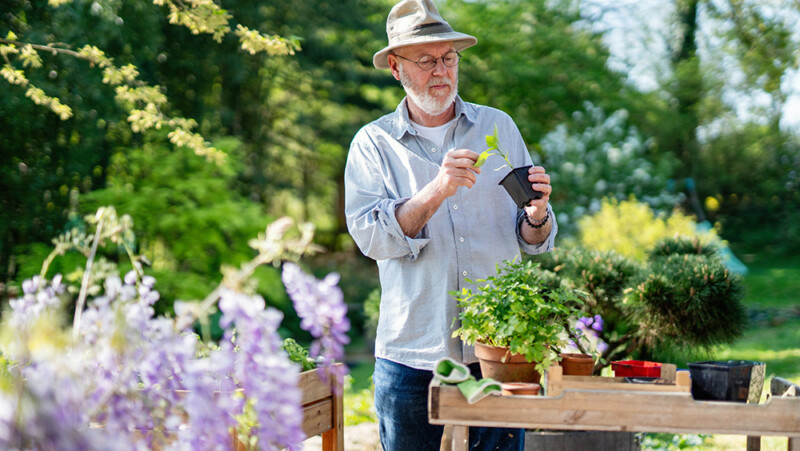
- Gardening provides stress relief and can improve mood. This happens for a multitude of reasons. When gardening, we are exposed to sunlight and Vitamin D, which has been proven to improve mood and sleep. Additionally, gardening can provide a sense of purpose, particularly for seniors who may be looking for a way to engage more actively with the world around them. The ability to plant a seed or bulb and watch it grow into something through your own exerted effort, tenderness, and care can be a deeply profound experience. In this way, gardening can provide a sense of purpose.
- Gardening may decrease the risk of dementia, as shown in this 2012 study on therapeutic gardening for seniors. The act of gardening provides an opportunity for seniors to learn new skills while regaining and solidifying skills they already possess. This plays a big role in improving memory and attention span, as well as providing a sense of accomplishment.
- Gardening provides physical activity – keeping seniors healthy, strong, and limber. The kneeling, bending, squatting, and digging involved in an average gardening session provides a decent level of aerobic exercise, which is good for heart health and stroke prevention. Regular movement of and stretching of the muscles in our legs, back, and arms also helps keep you limber and promotes overall body strength, which can help you reduce the risk of falls
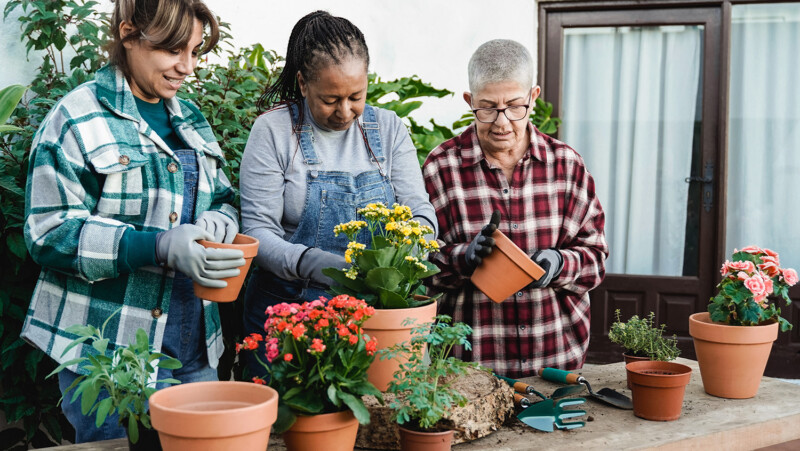
- Gardening is social. Collaborative projects such as gardening can provide a sense of community and belonging to those who seek stronger social bonds. These connections become more important as we age, especially after retirement, when seniors can begin to feel isolated. Socializing is one of the best-proven ways for seniors to prevent or overcome depression and feelings of isolation. Gardening groups – either through local community gardens or through gardening clubs in senior living communities – provide opportunities for deep social connection through shared interests and activity.
Environmentalist Author Michael Pollan once stated that “The garden suggests there might be a place where we can meet nature halfway.” It’s a place where we connect with our most fundamental needs – to create, to impact, to belong.
If you or a loved one is interested in learning more about how we implement gardening as a social tool in our communities, we invite you to reach out and join our residents in their gardening club meetings. We look forward to planting something new with you!
Here’s a short FAQ that fits nicely at the end of your blog post and keeps the tone warm and accessible:
Gardening FAQ
Is gardening safe for seniors?
Yes, gardening can be a safe and enjoyable activity for seniors when done with a few simple precautions. Using raised beds, lightweight tools, and taking breaks can help reduce strain and prevent injury.
Do I need experience to start gardening?
Not at all. Gardening can be as simple or as involved as you like. Many beginners start with easy-to-grow plants like herbs or flowers, and learn as they go.
What if I have limited mobility?
There are many ways to adapt gardening to different mobility levels. Container gardening, vertical gardens, and seated gardening options make it possible for nearly everyone to participate.
How often should I garden?
Even a few minutes a day can be beneficial. Regular, light activity—like watering plants or tending to a small garden—can support both physical and mental well-being.
Can gardening really help with mood and memory?
Yes. Gardening engages the senses, encourages movement, and provides a sense of accomplishment, all of which can support improved mood, focus, and cognitive health.
How can I get involved in a gardening group?
Many senior living communities, including ours, offer gardening clubs or shared garden spaces. Reach out to learn about upcoming activities and how to join.